The Story in Your Blood: Unlocking the Profound Secrets of a Complete Blood Count
A deep dive into the most common blood test and what those numbers actually mean for your overall health.
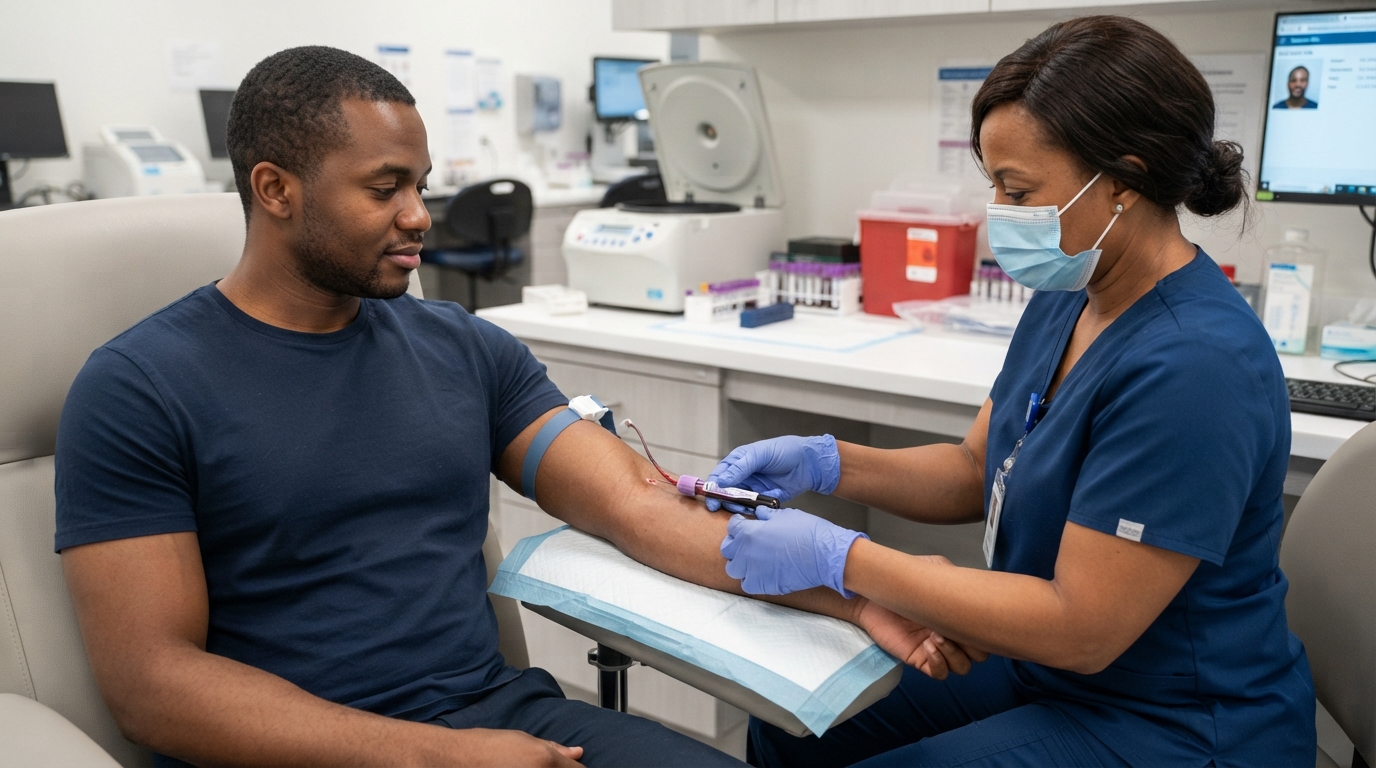
The Complete Blood Count (CBC) is arguably the most frequently ordered laboratory test in the world of medicine. It is a cornerstone of diagnostic testing, yet many patients view the results as a confusing jumble of acronyms and numbers. Understanding what a CBC reveals is like learning to read the fundamental story of your body's current health status.
A CBC provides a broad, comprehensive overview of your general health by measuring the three major components of your blood: red blood cells, white blood cells, and platelets. Each of these components plays a distinct and vital role in keeping you alive, and abnormalities in their numbers can point to a vast array of medical conditions, from simple nutrient deficiencies to severe infections or blood disorders.
Red blood cells (RBCs) are the body's delivery system, responsible for carrying oxygen from your lungs to every tissue and organ. The CBC measures the total number of RBCs, as well as hemoglobin (the protein that actually holds the oxygen) and hematocrit (the proportion of your blood made up of RBCs). A low RBC count indicates anemia, which explains symptoms like chronic fatigue, weakness, and shortness of breath.
White blood cells (WBCs) are the foot soldiers of your immune system, constantly patrolling your bloodstream for foreign invaders. A CBC measures the total WBC count and often includes a 'differential,' which breaks down the five specific types of white blood cells. An elevated WBC count is a classic sign that your body is actively fighting an infection or dealing with severe inflammation.
Conversely, a remarkably low white blood cell count can indicate that your immune system is compromised, perhaps due to a viral infection, bone marrow issues, or certain medications. This leaves the body highly susceptible to opportunistic infections and requires immediate medical investigation.
Platelets are the smallest blood cells, but their role is critical: they are responsible for blood clotting. When you get a cut, platelets clump together to plug the hole and stop the bleeding. A CBC measures your platelet count. Too few platelets (thrombocytopenia) can lead to dangerous internal or external bleeding, while too many can increase the risk of abnormal blood clots.
The beauty of a CBC lies in its versatility. It is used as a baseline screening tool during routine checkups, as a diagnostic tool when a patient presents with vague symptoms like fever or bruising, and as a monitoring tool to track the effectiveness of treatments for conditions like cancer or chronic infections.
Understanding your CBC results can give you profound insights into your body's state. For instance, that persistent exhaustion you've been feeling might not be stress; it might simply be a case of iron-deficiency anemia, easily identified by a CBC and easily treated with dietary changes or supplements.
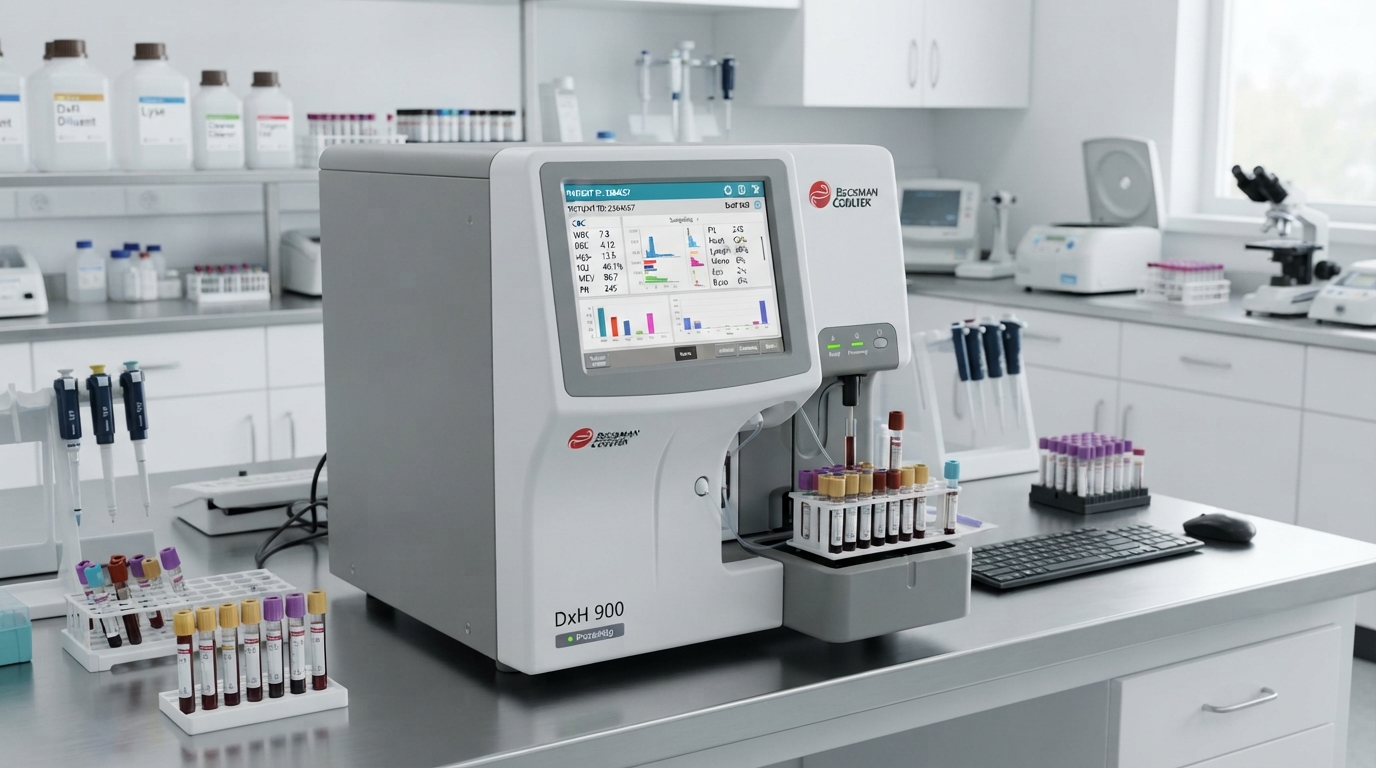
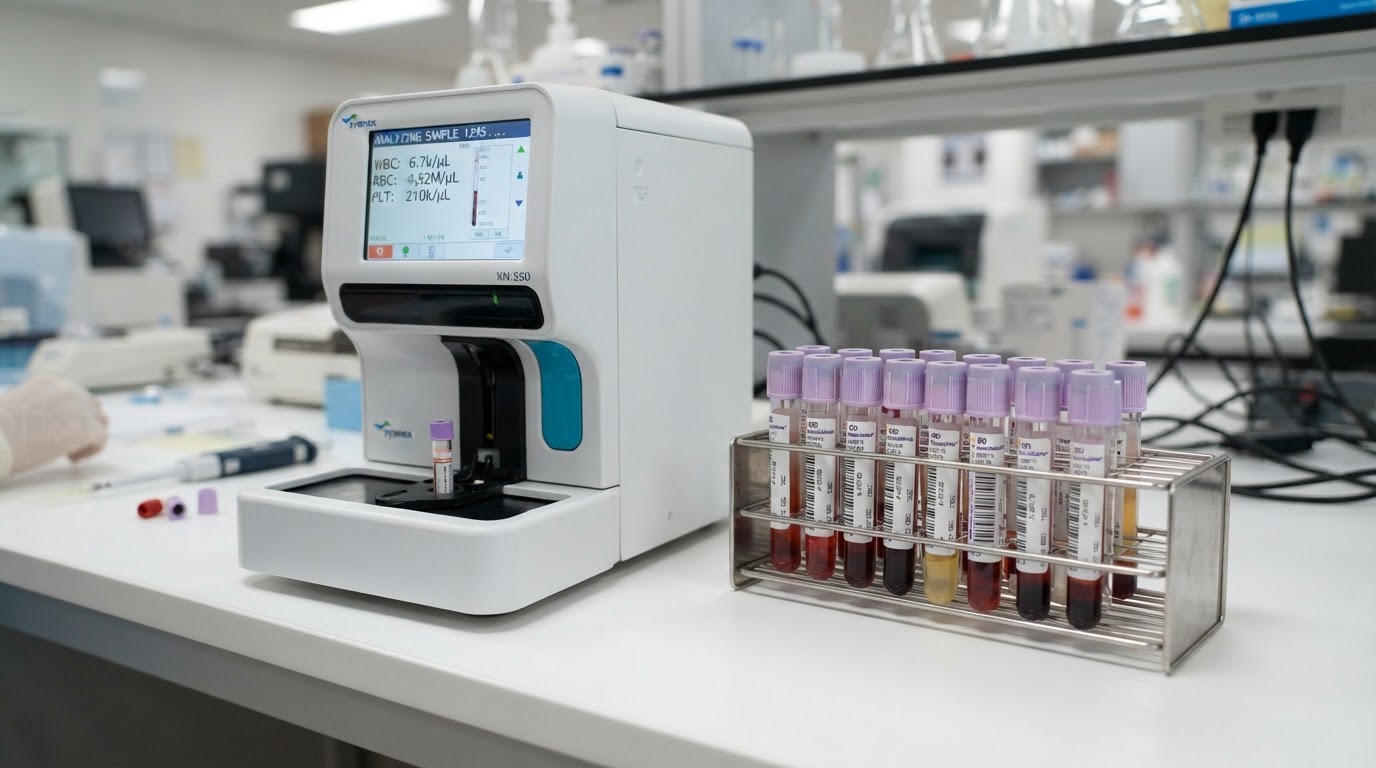
At Crescent Radiology's advanced laboratory in Wuse, we utilize state-of-the-art automated hematology analyzers to ensure rapid, highly accurate CBC results. We believe that empowering patients with accurate data is the first step toward better health. The next time your doctor orders a CBC, you will know that it is not just a routine test; it is a vital reading of the story in your blood.
Related Articles
The Body's Unsung Hero: Decoding Liver Function Tests and Protecting Your Detox Engine
Read Article
Decoding Your Metabolism: What Thyroid Function Tests Reveal About Your Hidden Health
Read Article