
Decoding Your Metabolism: What Thyroid Function Tests Reveal About Your Hidden Health
How laboratory testing helps diagnose thyroid disorders that cause unexplained weight changes and chronic fatigue.
The thyroid is a small, butterfly-shaped gland located at the base of your neck, but do not let its size fool you. It exerts a massive, overarching influence over your entire body by regulating your metabolism. When the thyroid produces too much or too little hormone, it can lead to a cascade of complex and often confusing health issues.
Thyroid hormones control how your body uses energy, affecting everything from your heart rate and body temperature to your digestion and mood. Because its influence is so widespread, symptoms of thyroid dysfunction are often vague and easily attributed to other causes. Patients frequently complain of unexplained weight gain or loss, chronic fatigue, hair loss, brain fog, and severe mood swings.
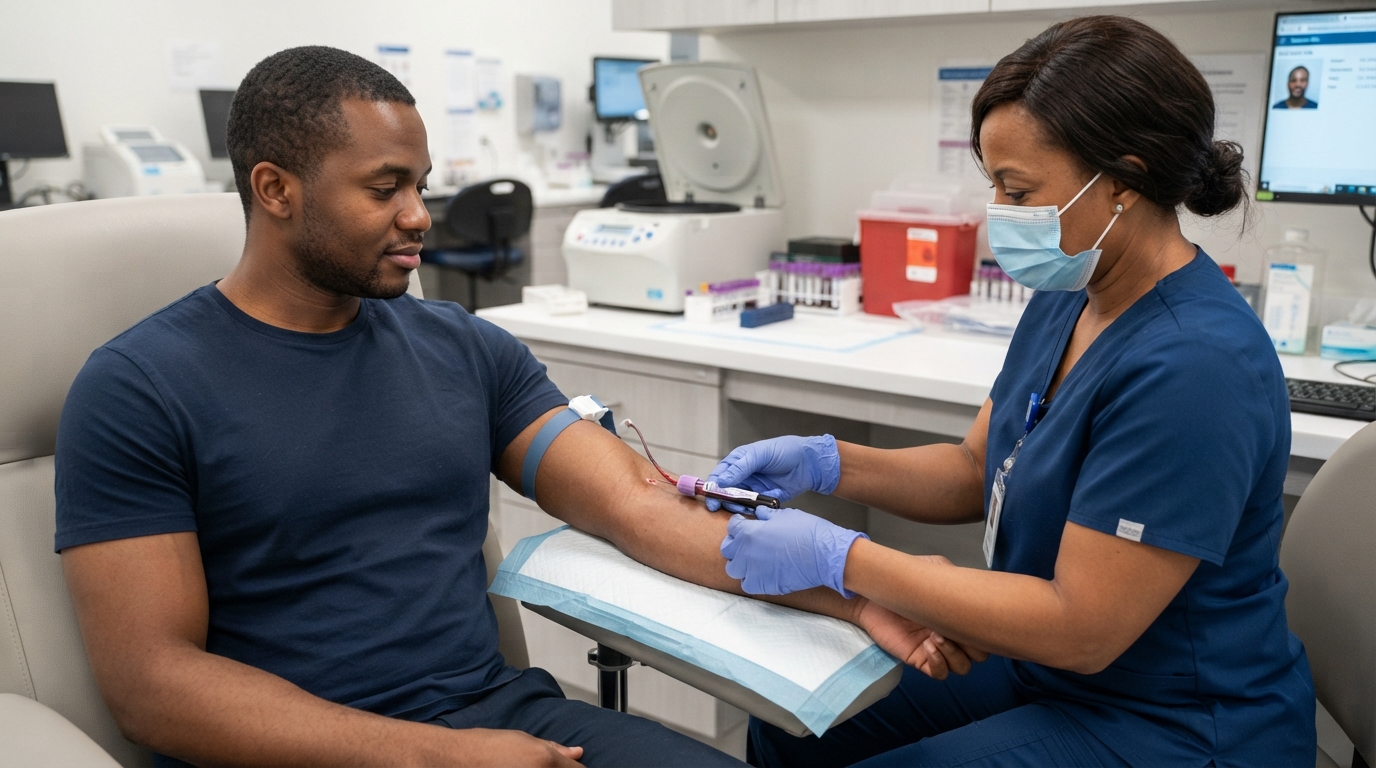
Because these symptoms mimic so many other conditions—such as depression, menopause, or simple exhaustion—clinical diagnosis based on symptoms alone is nearly impossible. Laboratory testing is the only definitive way to accurately diagnose a thyroid issue and understand exactly what is happening within your metabolic engine.
A standard Thyroid Panel typically begins by measuring Thyroid Stimulating Hormone (TSH). TSH is actually produced by the pituitary gland in the brain; it acts as a messenger, telling the thyroid how much hormone to produce. If your thyroid is underactive (hypothyroidism), your brain pumps out more TSH to stimulate it. If it is overactive (hyperthyroidism), TSH levels drop.
Alongside TSH, a comprehensive panel will measure Free T3 and Free T4, the actual hormones produced by the thyroid gland. Measuring the 'free' levels gives us a more accurate picture of the hormones that are actively available for your body to use. Together, these three markers provide a clear, detailed snapshot of your thyroid's functional status.
In some cases, thyroid dysfunction is caused by an autoimmune response, where the body's immune system mistakenly attacks the thyroid gland. To confirm this, we may test for specific thyroid antibodies, such as Thyroid Peroxidase Antibodies (TPOAb). Identifying an autoimmune cause, like Hashimoto's or Graves' disease, is crucial for determining the correct long-term treatment plan.
If laboratory results show abnormalities, or if a doctor feels a lump in the neck during a physical exam, diagnostic imaging is the next critical step. A thyroid ultrasound is a painless procedure that allows radiologists to visually assess the gland's size and texture. It is highly effective at identifying nodules, cysts, or structural issues that blood tests cannot reveal.
The good news is that once a thyroid disorder is accurately diagnosed, it is highly treatable. With the right medication and lifestyle adjustments, patients can restore their hormone levels to normal and completely eliminate their debilitating symptoms, reclaiming their energy and their lives.
If you have been struggling with unexplained metabolic symptoms, chronic fatigue, or sudden weight changes, do not suffer in silence. Speak to your physician about ordering a comprehensive thyroid function test. Accurate laboratory results from Crescent Radiology are the first step toward decoding your metabolism and restoring your hidden health.
Related Articles
The Body's Unsung Hero: Decoding Liver Function Tests and Protecting Your Detox Engine
Read Article
The Story in Your Blood: Unlocking the Profound Secrets of a Complete Blood Count
Read Article