The Fasting Rule Explained: Why Your Lipid Profile Demands Patience for Precision
A comprehensive guide to lipid profile tests and why fasting is critical for accurate cholesterol measurement.
Cardiovascular diseases remain the leading cause of mortality globally, making routine cholesterol checks an essential component of preventive healthcare. The primary tool used to assess this risk is a lipid profile test, a standard laboratory procedure that measures the specific levels of different fats and cholesterol circulating in your bloodstream.
A comprehensive lipid profile typically measures four key components: Total Cholesterol, High-Density Lipoprotein (HDL - the 'good' cholesterol), Low-Density Lipoprotein (LDL - the 'bad' cholesterol), and Triglycerides (a type of fat found in the blood). Analyzing the balance between these numbers allows physicians to accurately gauge your risk for heart disease and stroke.
One of the most common and persistent questions I receive from patients regarding this test is why they must endure fasting before their blood is drawn. It can be inconvenient to skip breakfast and delay your morning coffee, but the requirement for fasting is deeply rooted in human physiology and the pursuit of diagnostic accuracy.
The answer lies in how our bodies process the food we eat. When you consume a meal, your digestive system breaks down the fats and carbohydrates, absorbing them into your bloodstream. This sudden influx of nutrients causes a temporary, but significant, spike in your blood lipid levels, particularly your triglycerides.
If blood is drawn during this post-meal period, the laboratory results will reflect this temporary spike, rather than your true, baseline lipid levels. This can lead to a false diagnosis of hyperlipidemia (high cholesterol) and potentially result in the unnecessary prescription of cholesterol-lowering medications.
Fasting for a period of 10 to 12 hours ensures that the immediate impact of your recent meals is completely eliminated from your bloodstream. It allows your body to return to its stable, baseline metabolic state, providing a highly accurate and reliable picture of your true cardiovascular health.
During this fasting period, it is crucial that you consume absolutely no food and drink only plain water. Even a splash of milk in your tea, a small piece of fruit, or a piece of chewing gum can trigger metabolic processes that will skew the results of your lipid profile.
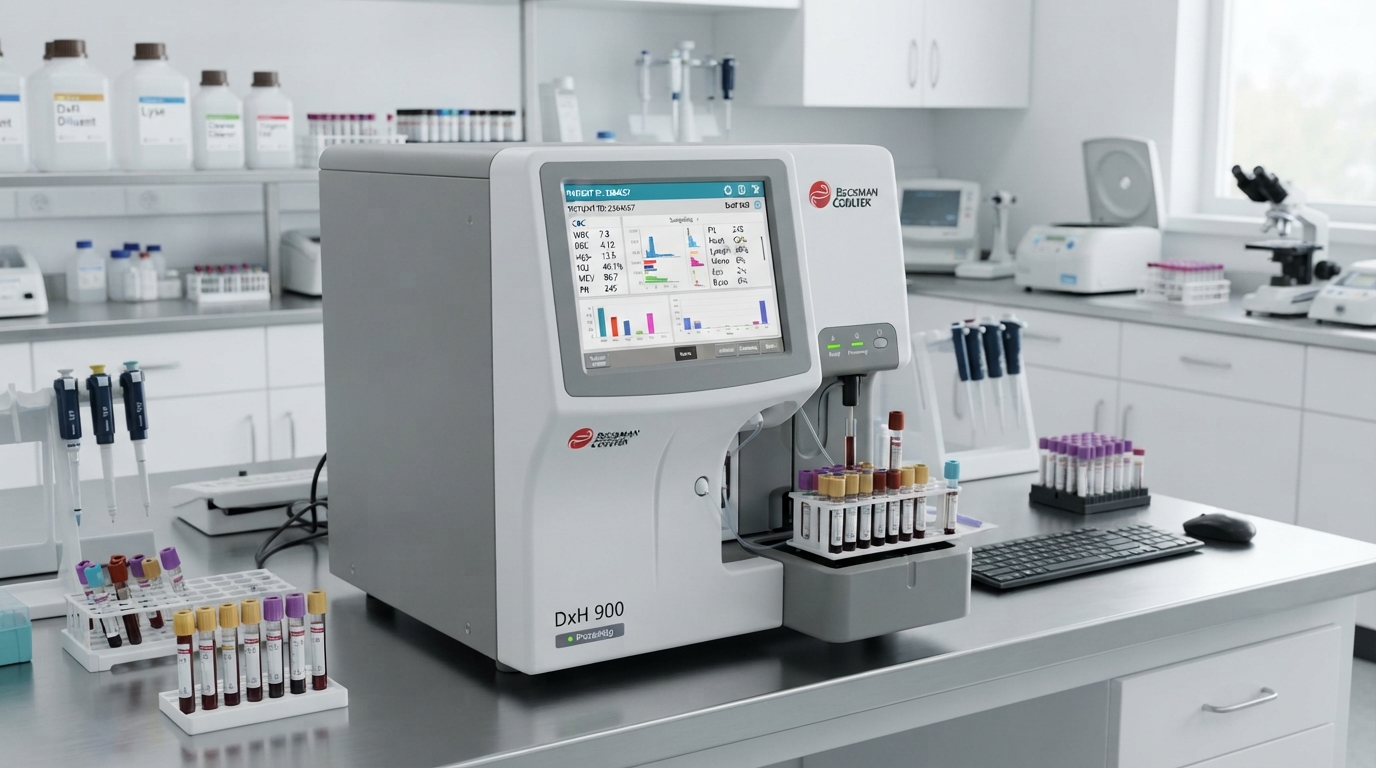
At Crescent Radiology, our state-of-the-art laboratory relies on strict protocols to ensure the highest level of precision in our testing. We insist on proper fasting because we know that accurate data is the foundation of effective medical treatment. A compromised test result helps no one.
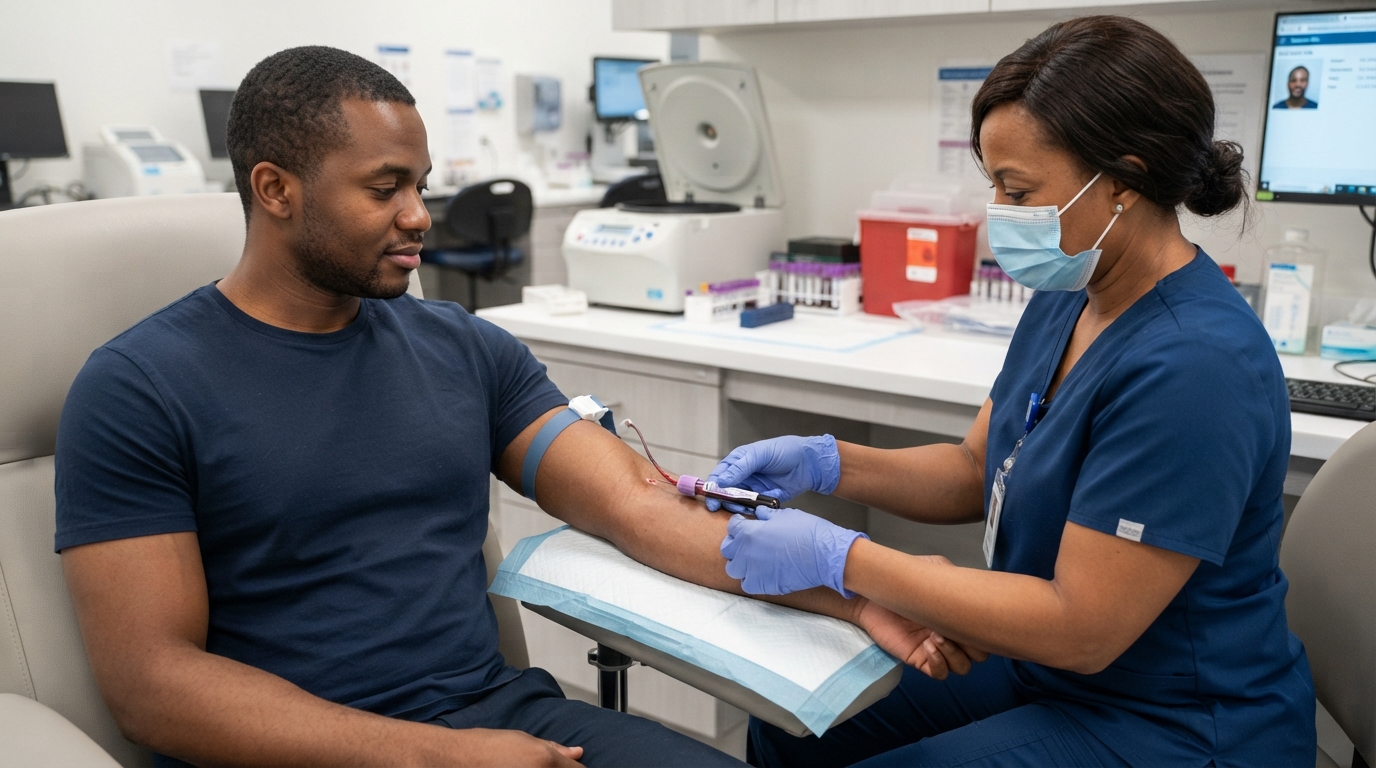
Remember, an accurate diagnosis begins long before the needle touches your arm; it begins with proper patient preparation. Always follow your doctor's fasting instructions meticulously before any laboratory test. A little patience in the morning ensures precision in your diagnosis, safeguarding your heart health for years to come.
Related Articles
The Body's Unsung Hero: Decoding Liver Function Tests and Protecting Your Detox Engine
Read Article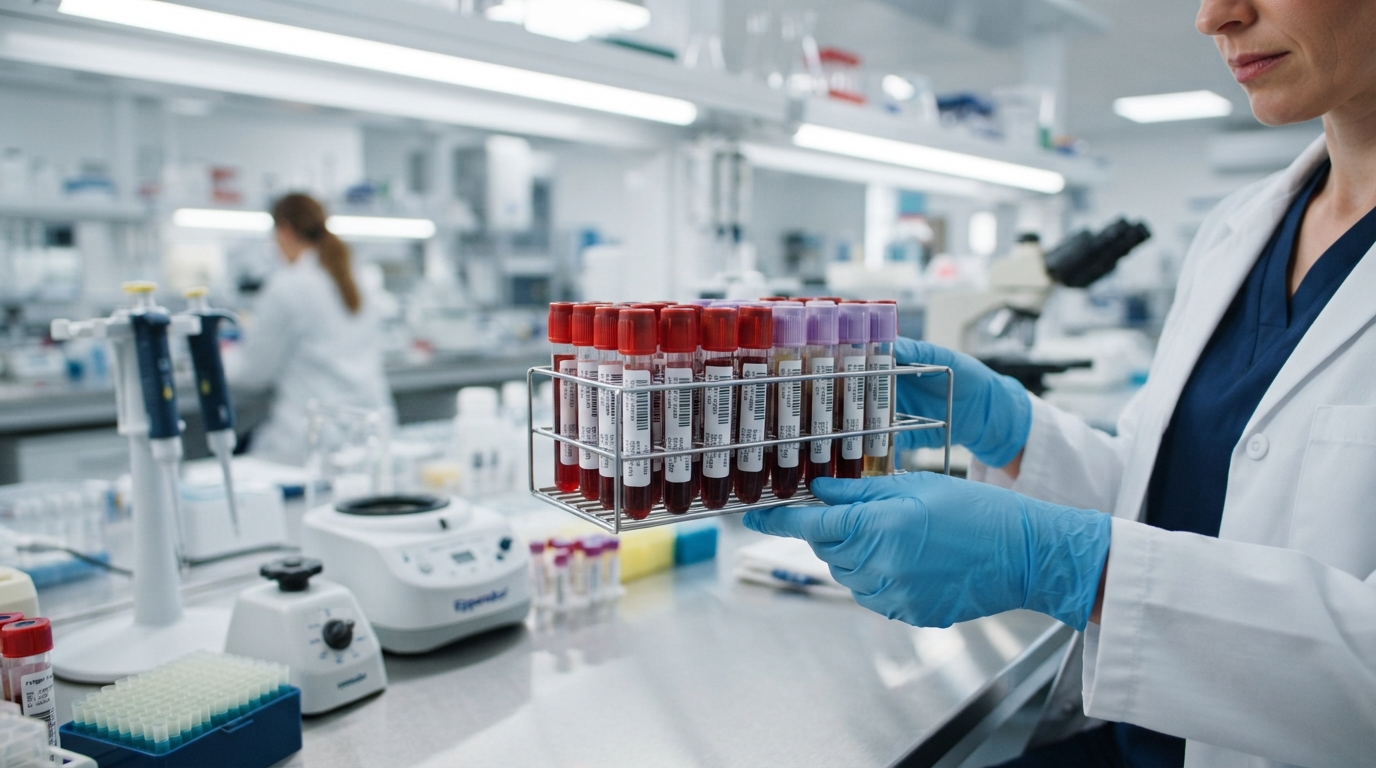
Decoding Your Metabolism: What Thyroid Function Tests Reveal About Your Hidden Health
Read Article