The Body's Unsung Hero: Decoding Liver Function Tests and Protecting Your Detox Engine
What your liver enzymes tell us about the health of your body's most important detoxifying organ and how to interpret the results.
The liver is a true powerhouse organ, quietly performing over 500 vital functions every single day to keep you alive and healthy. From filtering toxins out of your bloodstream to producing bile for digestion and storing essential nutrients, its workload is immense. Given its critical role, monitoring liver health should be a non-negotiable component of your routine medical care.
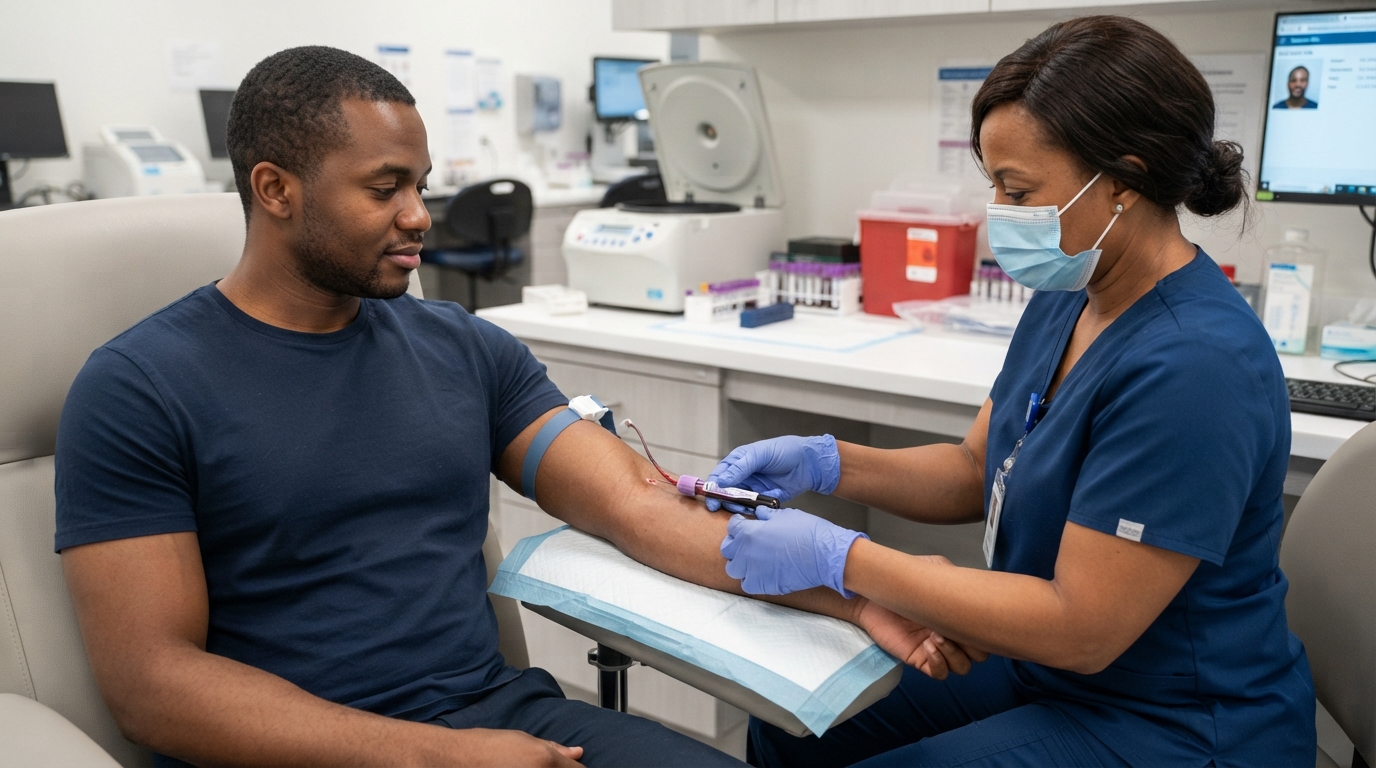
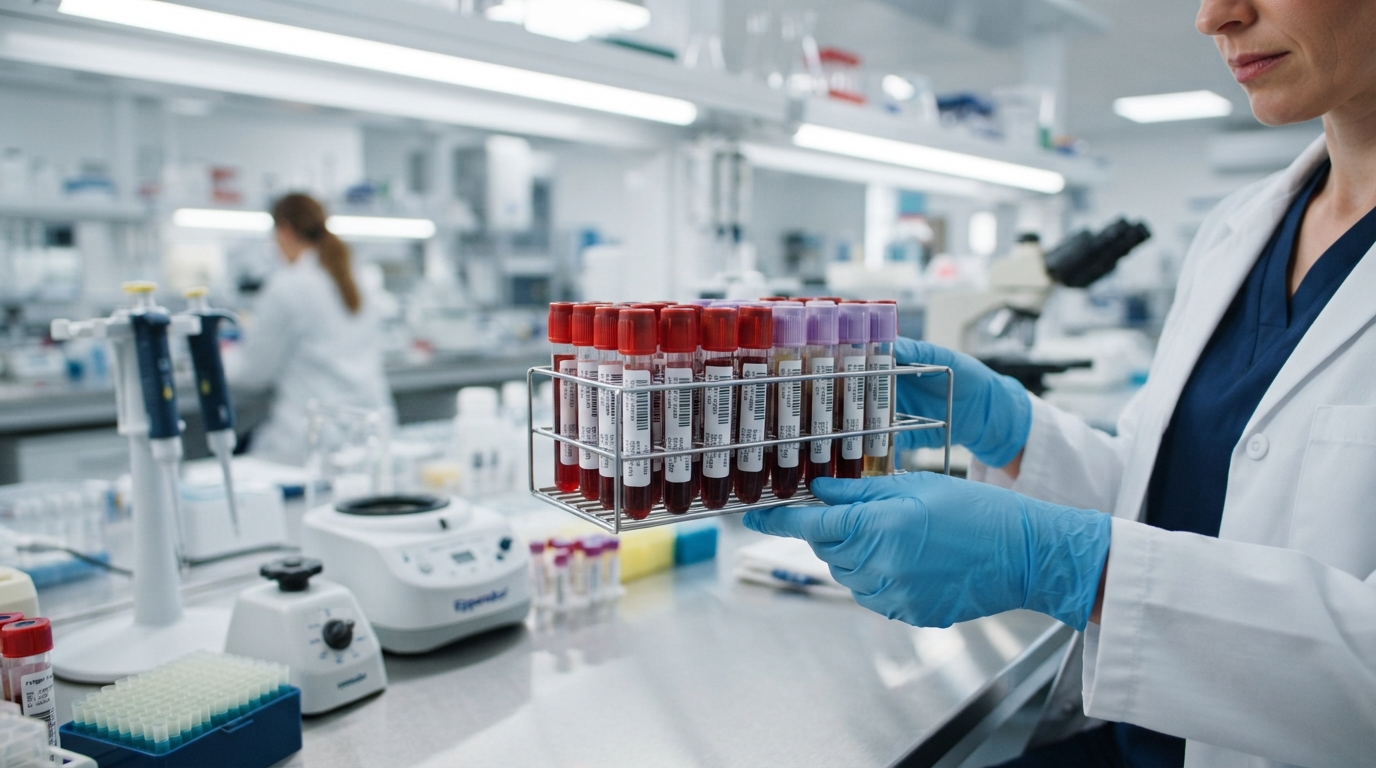
A Liver Function Test (LFT) is a comprehensive blood panel that measures the levels of various enzymes, proteins, and substances produced or excreted by the liver. When the liver is stressed, inflamed, or damaged, it releases these enzymes into the bloodstream. By analyzing these specific markers, we can gauge exactly how well your liver is functioning and detect potential issues early.
Two of the most important enzymes measured in an LFT are Alanine Transaminase (ALT) and Aspartate Transaminase (AST). Elevated levels of these enzymes are classic indicators of liver inflammation or injury. This damage can stem from a variety of sources, including viral infections like Hepatitis B and C, excessive alcohol consumption, or the increasingly common Non-Alcoholic Fatty Liver Disease (NAFLD).
Another crucial component of the LFT is Bilirubin, a yellowish pigment produced during the normal breakdown of red blood cells. The liver is responsible for processing bilirubin so it can be excreted from the body. If your liver is failing to process it effectively, bilirubin builds up in the blood, leading to jaundice—a yellowing of the skin and eyes that is a hallmark sign of liver distress.
Alkaline Phosphatase (ALP) and Gamma-Glutamyl Transferase (GGT) are also measured to assess the health of the bile ducts. Elevated levels can indicate a blockage in the bile ducts, often caused by gallstones, inflammation, or tumors. Identifying these blockages early is critical for preventing severe complications and ensuring proper digestive function.
Because liver disease often progresses silently, without causing any noticeable symptoms until significant damage has occurred, routine LFTs are your best line of defense. Many patients are shocked to discover elevated liver enzymes during a standard checkup, having felt perfectly fine. Early detection allows for lifestyle interventions that can halt or even reverse liver damage.
If your laboratory results show abnormalities, the next step is typically diagnostic imaging. An abdominal ultrasound provides a painless, radiation-free way to visually assess the liver's size, texture, and structure. It allows us to look for fatty deposits, cysts, or masses that might explain the abnormal blood work, providing a complete diagnostic picture.
Protecting your liver requires a proactive approach. Maintaining a healthy weight, eating a balanced diet low in processed sugars, exercising regularly, and moderating alcohol consumption are the cornerstones of liver health. Furthermore, getting vaccinated against Hepatitis A and B provides essential protection against viral liver damage.
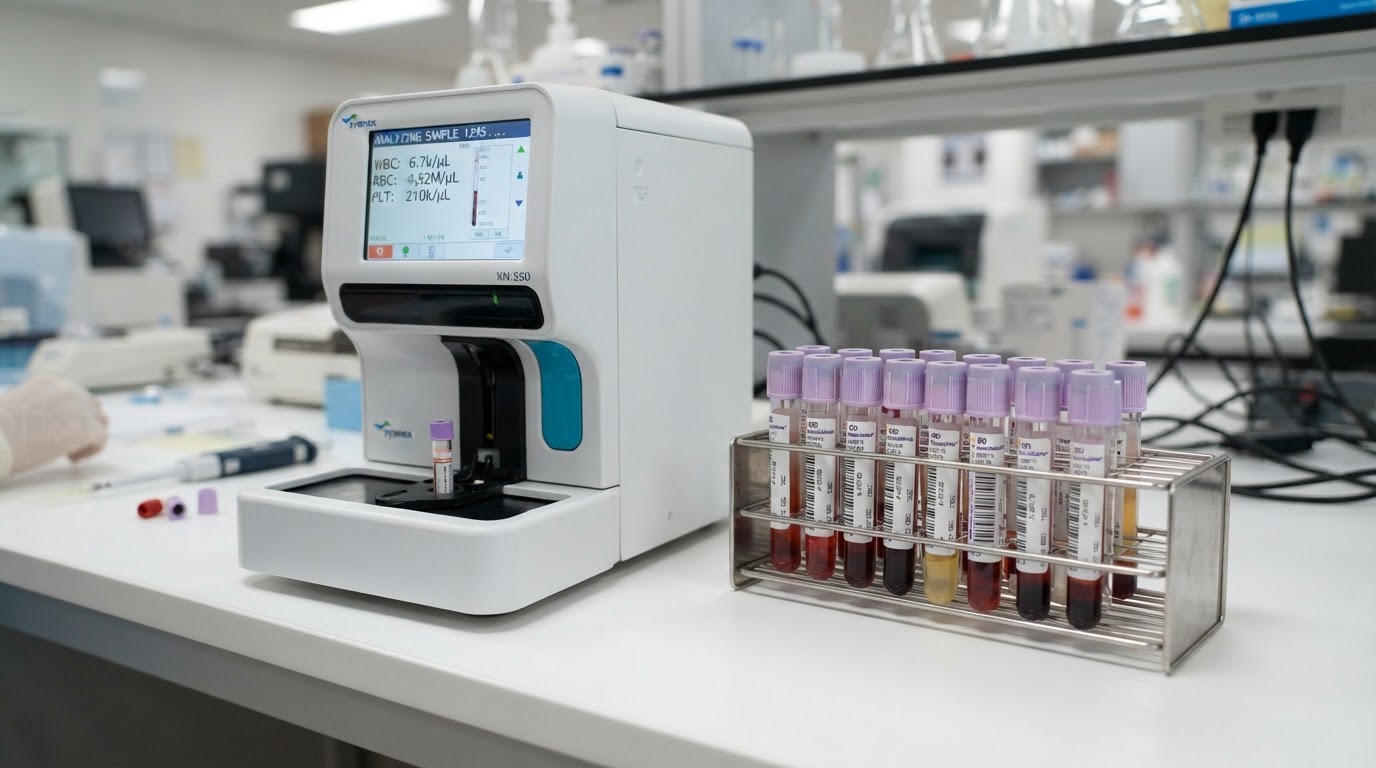
At Crescent Radiology, our advanced laboratory ensures precise and rapid Liver Function Test results. If you haven't had your liver enzymes checked recently, I strongly encourage you to include an LFT in your next annual health screening. Your liver works tirelessly for you; it's time you return the favor by ensuring it stays healthy.
Related Articles
Decoding Your Metabolism: What Thyroid Function Tests Reveal About Your Hidden Health
Read Article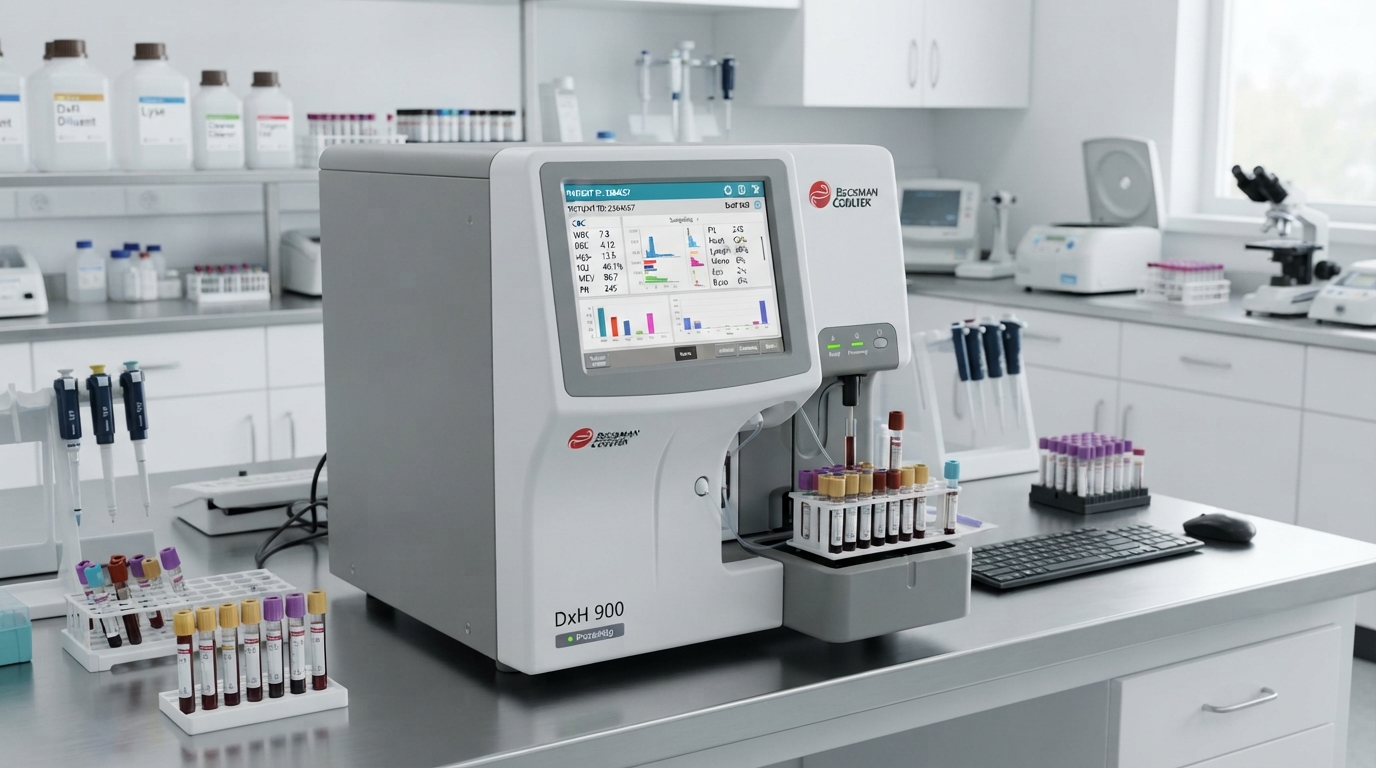
The Story in Your Blood: Unlocking the Profound Secrets of a Complete Blood Count
Read Article