Unmasking the Silent Killer: A Comprehensive Guide to Tracking and Taming Hypertension
Understanding high blood pressure, its risks, and the laboratory tests used to monitor its impact on your body.
Hypertension, commonly known as high blood pressure, has earned its ominous moniker—the 'silent killer'—for a terrifying reason: it typically presents absolutely no symptoms until it causes a catastrophic medical event. Millions of people walk around every day completely unaware that the pressure inside their blood vessels is dangerously high, quietly damaging their internal organs.
Blood pressure is the force of blood pushing against the walls of your arteries as your heart pumps. When this pressure remains consistently high, it forces the heart to work much harder than it should and causes microscopic tears in the arterial walls. Over time, this damage creates a perfect environment for cholesterol plaque to accumulate, leading to narrowed, hardened arteries.
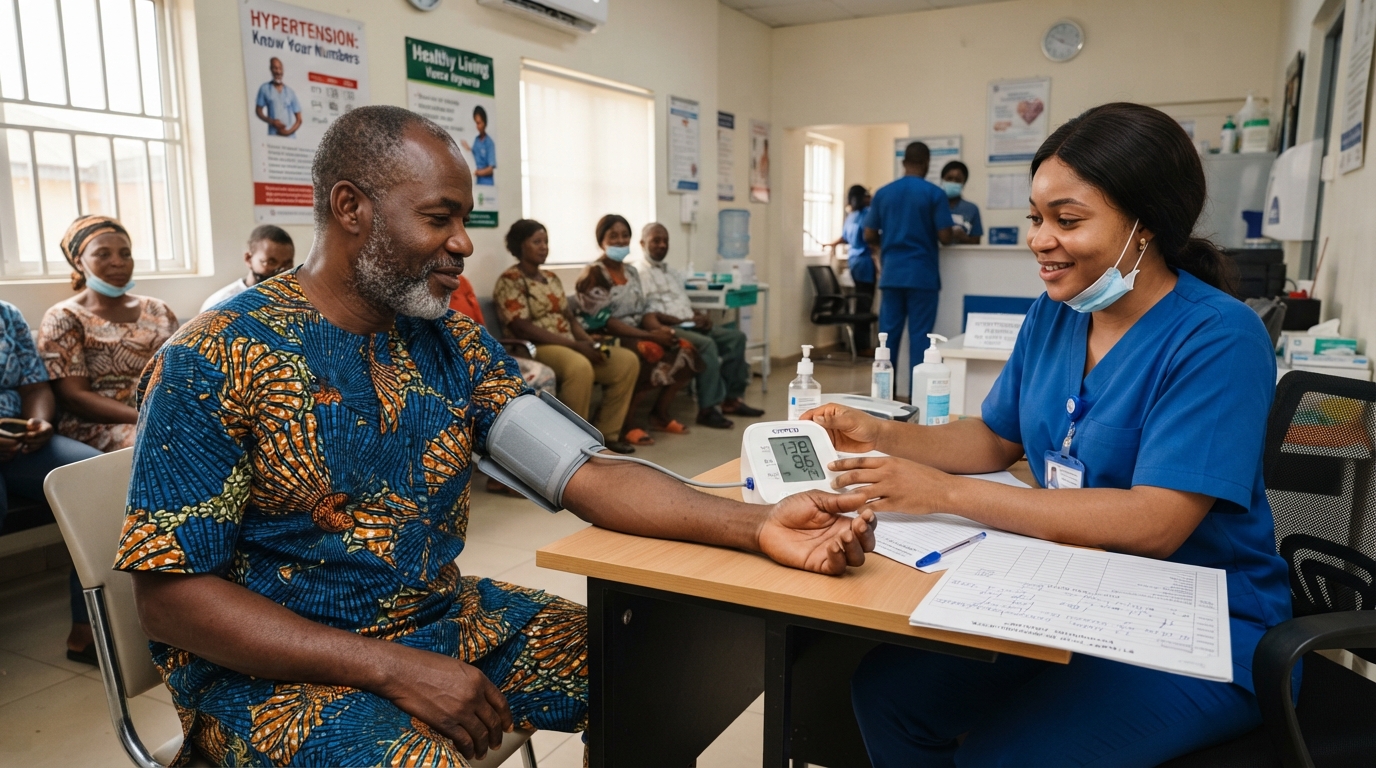
The consequences of unmanaged hypertension are severe. It is the leading cause of strokes, a major contributor to heart attacks and heart failure, and a primary driver of chronic kidney disease. Because you cannot feel high blood pressure, the only way to know you have it is to have it measured regularly by a healthcare professional.
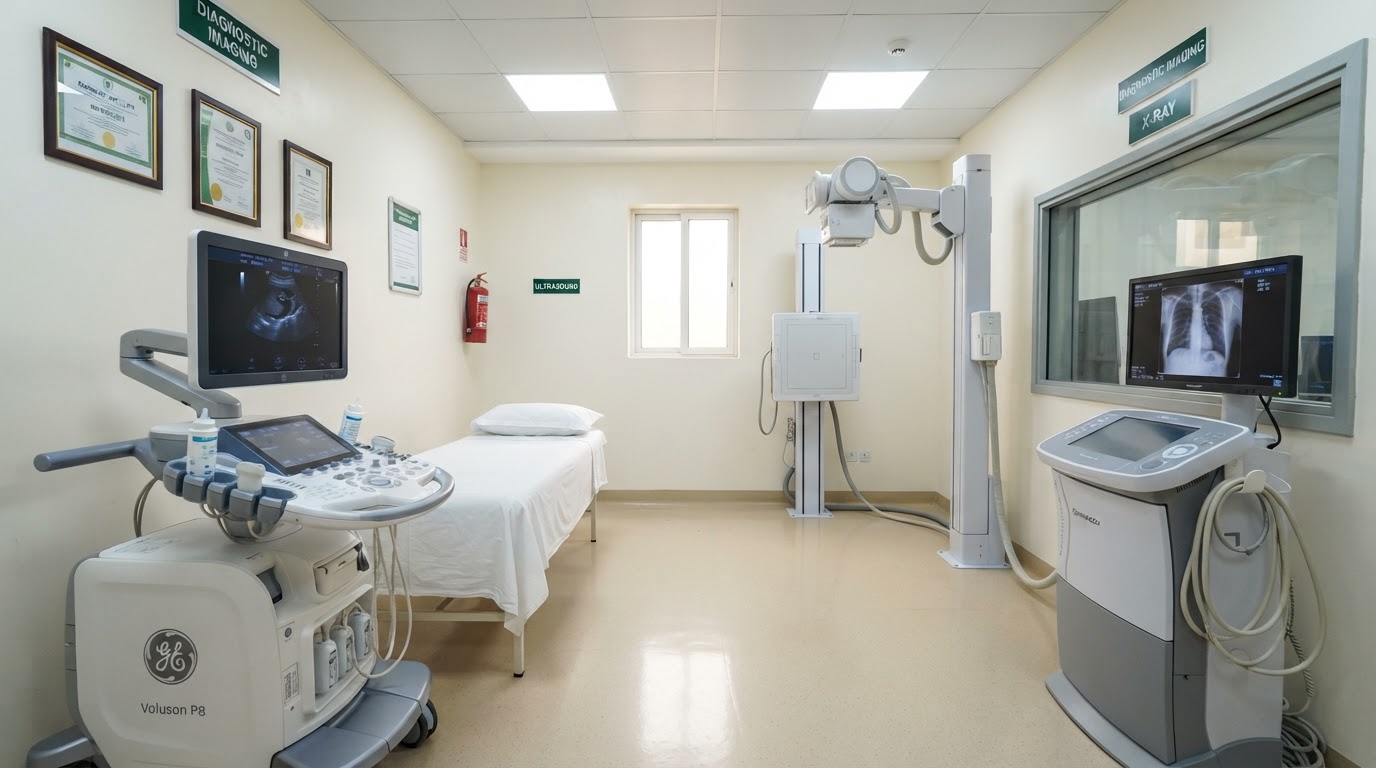
However, managing hypertension goes far beyond simply taking blood pressure readings with a cuff. Once diagnosed, it requires a comprehensive assessment to determine how much damage the condition has already inflicted on your internal organs. This is where advanced laboratory testing and diagnostic imaging become crucial components of hypertension care.
Routine blood tests are essential for hypertensive patients. Kidney function tests, specifically measuring creatinine and Blood Urea Nitrogen (BUN), help us assess if the high pressure has damaged the delicate filtering units of the kidneys. A complete lipid profile is also mandatory, as high cholesterol combined with high blood pressure exponentially increases cardiovascular risk.
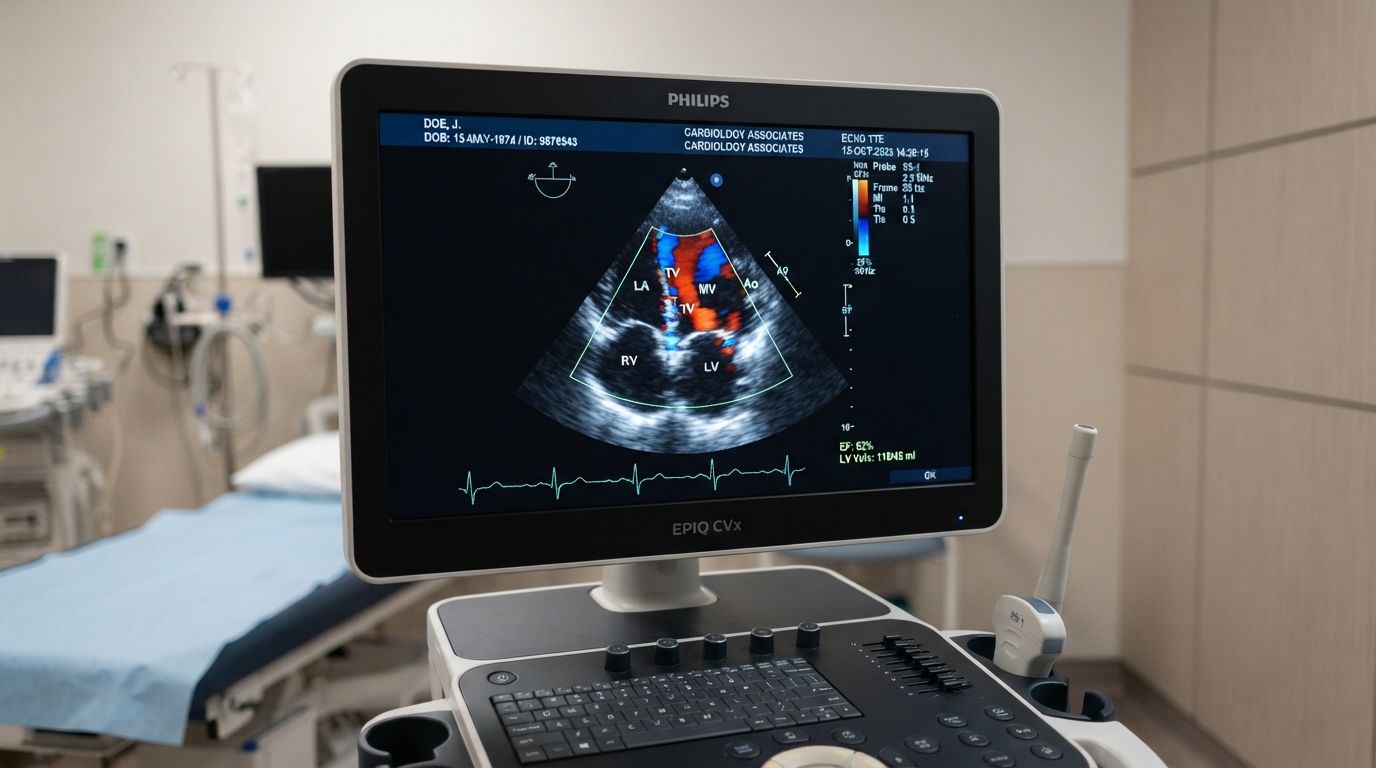
Diagnostic imaging also plays a vital role. An echocardiogram (an ultrasound of the heart) is frequently recommended for patients with long-standing hypertension. This test allows us to see if the heart muscle, particularly the left ventricle, has thickened and enlarged due to the increased workload—a condition known as left ventricular hypertrophy, which significantly increases the risk of heart failure.
Furthermore, an ultrasound of the kidneys can rule out secondary causes of hypertension, such as renal artery stenosis (a narrowing of the arteries supplying the kidneys), ensuring that the treatment plan targets the actual root cause of the elevated pressure.
Taming hypertension requires a multi-faceted approach: dietary changes (reducing sodium intake), regular cardiovascular exercise, stress management, and often, prescription medications. But none of these interventions can be properly managed without accurate, ongoing monitoring through laboratory and imaging diagnostics.
Regular medical screenings are your absolute best defense against the silent progression of hypertension. Know your numbers, adhere to your prescribed treatments, and never skip your routine lab tests. At Crescent Radiology, our comprehensive diagnostic services provide the crucial data your physician needs to keep the silent killer at bay.
Related Articles
Beyond Cholesterol: The New Era of Comprehensive Cardiovascular Risk Assessment
Read Article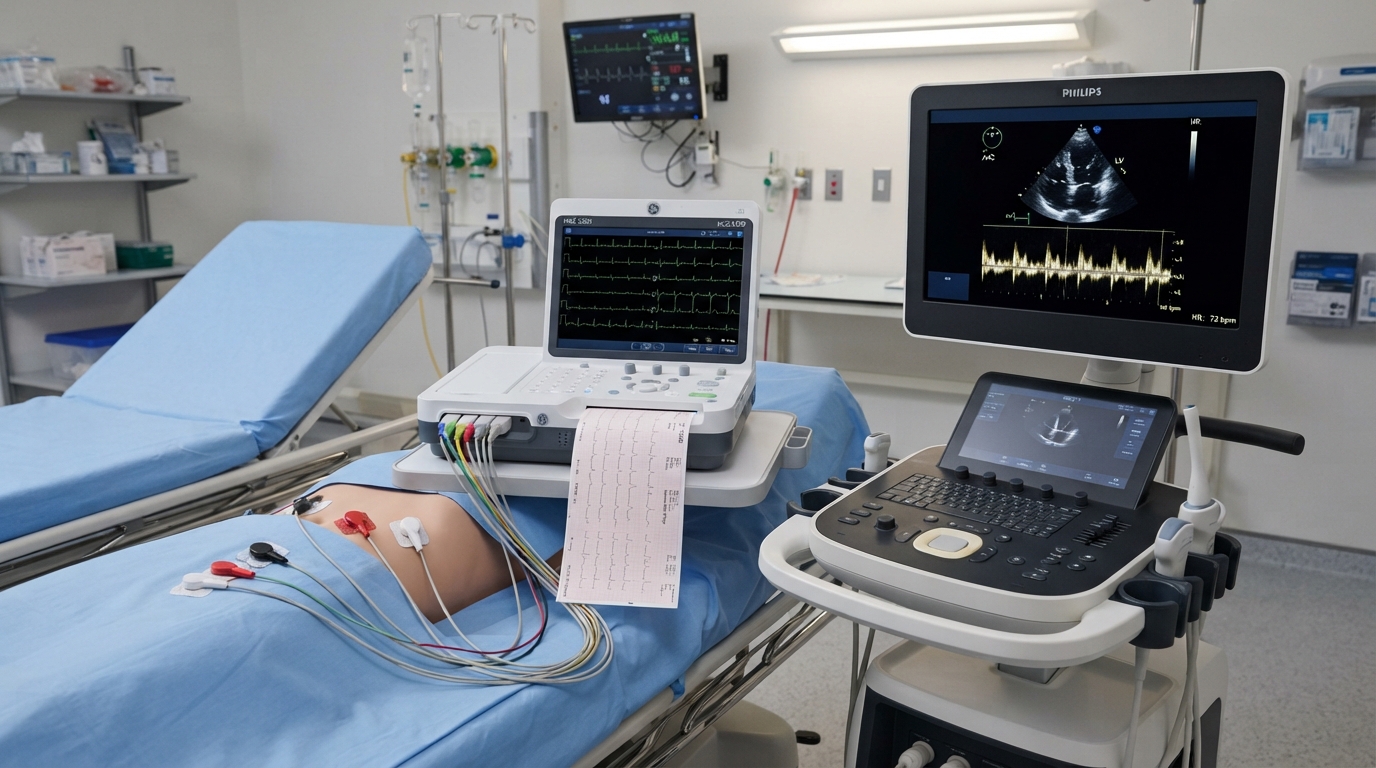
Echocardiography vs. ECG: Decoding the Rhythms and Structures of the Human Heart
Read Article