Beyond Cholesterol: The New Era of Comprehensive Cardiovascular Risk Assessment
Moving beyond basic cholesterol tests to comprehensive cardiac evaluations using advanced imaging and lab work.
Historically, assessing a patient's risk for a heart attack relied almost entirely on a few basic metrics: total cholesterol levels, blood pressure, and family history. While these traditional markers remain important foundational elements, modern cardiology has evolved significantly. Today, we employ a much more comprehensive and nuanced approach to cardiovascular risk assessment.
The reality is that nearly half of all heart attacks occur in individuals with 'normal' cholesterol levels. This startling statistic highlights the limitations of relying solely on a basic lipid profile. To truly understand a patient's cardiovascular health, we must look deeper, utilizing advanced laboratory testing and state-of-the-art diagnostic imaging to uncover hidden risks.
Advanced lipid testing goes beyond measuring total LDL (the 'bad' cholesterol). It analyzes the size and density of the LDL particles. Small, dense LDL particles are much more dangerous because they can easily penetrate the arterial walls, leading to plaque buildup. A patient might have a normal total LDL number, but if those particles are small and dense, their risk is significantly elevated.
Inflammation is another critical piece of the cardiovascular puzzle. We now know that arterial plaque is more likely to rupture and cause a heart attack if there is underlying inflammation in the body. High-Sensitivity C-Reactive Protein (hs-CRP) is a blood test that measures systemic inflammation, providing a crucial marker for cardiovascular risk that traditional cholesterol tests miss.
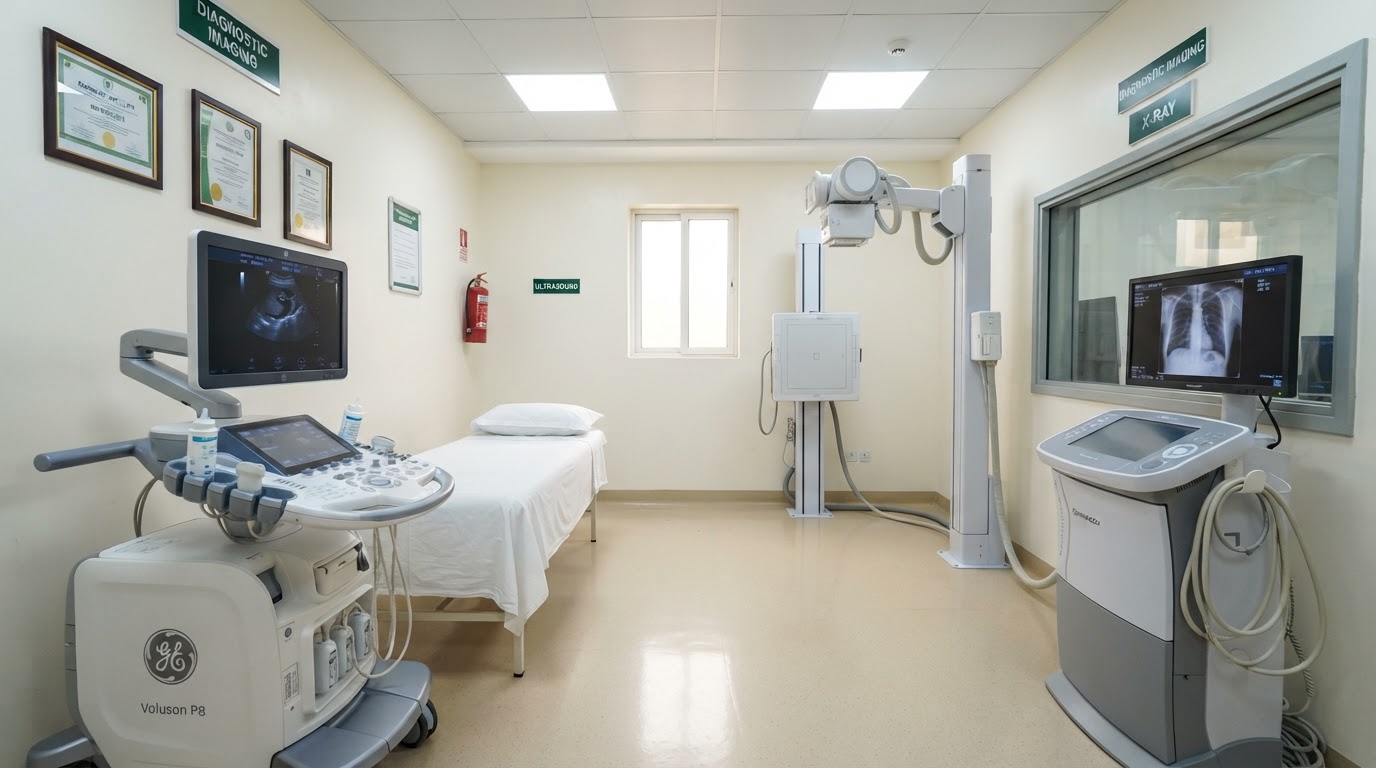
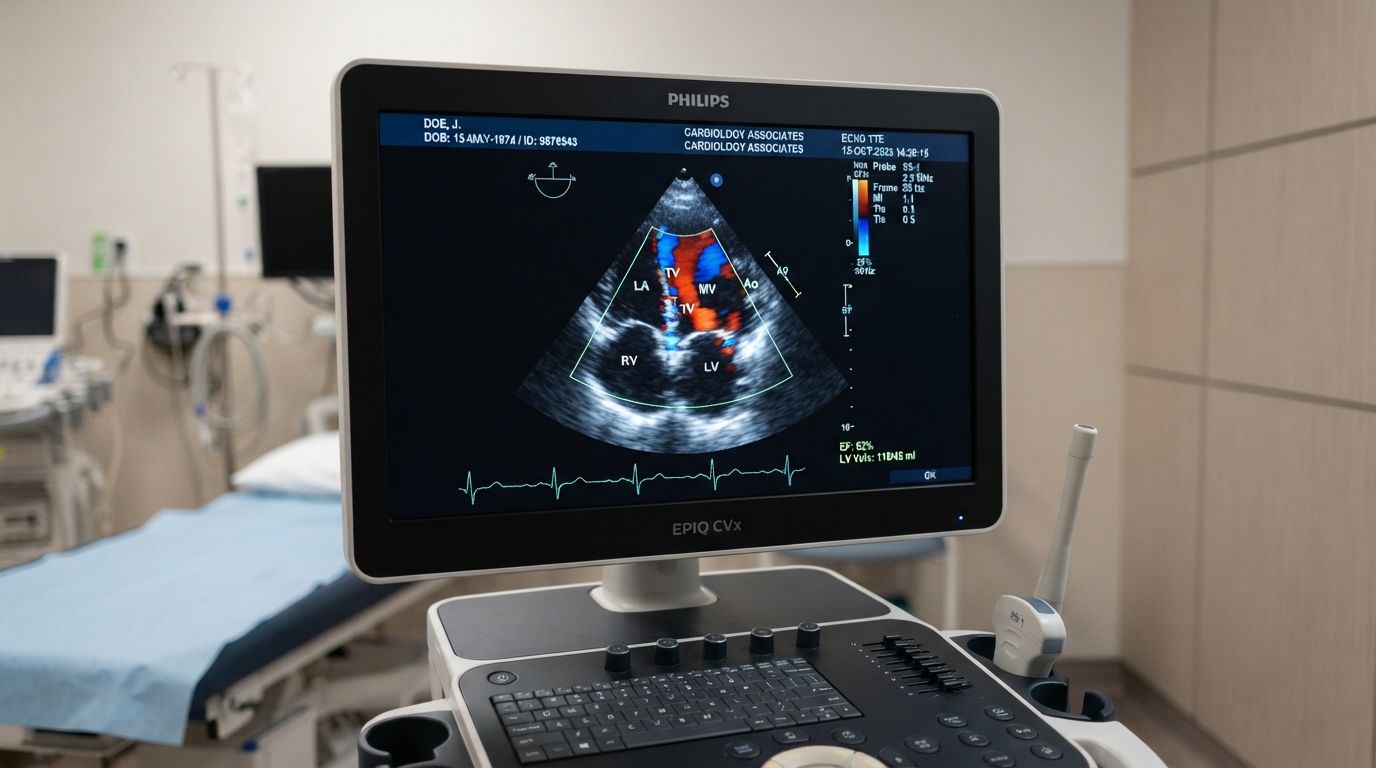
But laboratory tests only tell half the story. To get a complete picture, we must physically visualize the heart and its vessels. This is where diagnostic imaging becomes invaluable. Echocardiography, an ultrasound of the heart, allows us to assess the heart's pumping strength, evaluate valve function, and check for structural abnormalities that could compromise cardiovascular efficiency.
Furthermore, Doppler ultrasounds can evaluate the blood flow in the carotid arteries (the major blood vessels in the neck). By measuring the thickness of the arterial walls (Carotid Intima-Media Thickness or CIMT), we can detect the earliest stages of atherosclerosis (plaque buildup) long before it causes a heart attack or stroke. This provides a literal window into the health of your vascular system.
Another powerful imaging tool is the Coronary Calcium Score, obtained via a specialized CT scan. This test measures the amount of calcified plaque in the coronary arteries. A high score indicates a significant risk of future cardiac events, allowing physicians to implement aggressive preventive strategies immediately.
By combining detailed, advanced laboratory data with precise diagnostic imaging, we can create a highly accurate, personalized cardiovascular risk profile. This comprehensive approach moves us away from generalized guidelines and allows for targeted, life-saving preventive interventions tailored to the individual patient.
At Crescent Radiology, we are committed to providing the advanced diagnostic tools necessary for this modern era of cardiology. If you have a family history of heart disease, or if you simply want a true understanding of your cardiovascular health, ask your doctor about a comprehensive cardiac evaluation. Don't let a 'normal' cholesterol test lull you into a false sense of security.
Related Articles
Unmasking the Silent Killer: A Comprehensive Guide to Tracking and Taming Hypertension
Read Article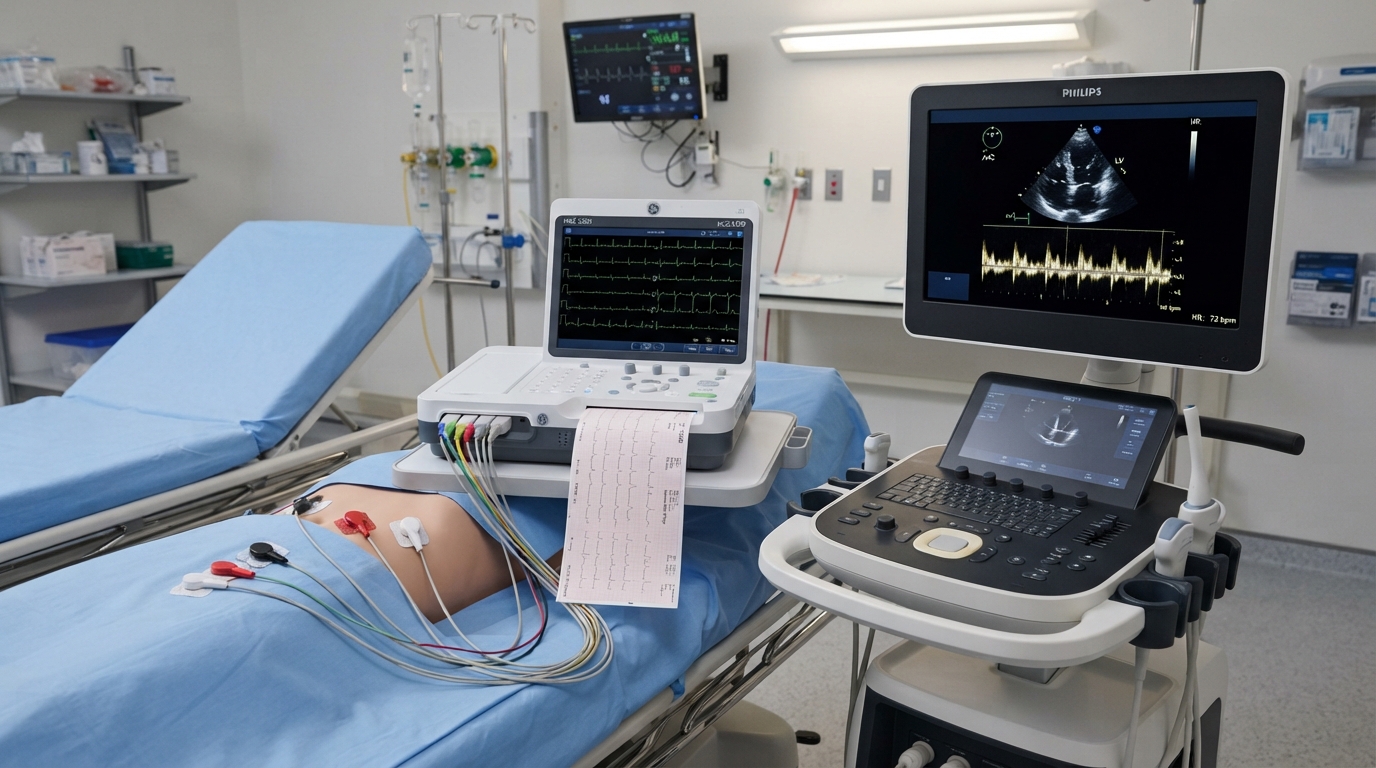
Echocardiography vs. ECG: Decoding the Rhythms and Structures of the Human Heart
Read Article