The Proactive Patient: Why Preventive Healthcare is the Ultimate Investment in Your Future
Analyzing the shift towards proactive healthcare seeking behaviors among Nigerians and the role of diagnostic centers.
Over the past few years, there has been a noticeable and highly encouraging shift in how Nigerians approach their personal healthcare. Historically, the prevailing mindset was largely reactive: individuals would only visit a hospital or diagnostic center when symptoms became unbearable. Today, that narrative is changing, replaced by a growing culture of proactive, preventive health seeking.
This paradigm shift is driven by several factors, chief among them being an increase in health literacy and access to medical information. People are becoming more aware of the silent nature of non-communicable diseases (NCDs) such as hypertension, type 2 diabetes, and certain cancers. They understand that waiting for symptoms to appear often means waiting until the disease has reached an advanced, harder-to-treat stage.
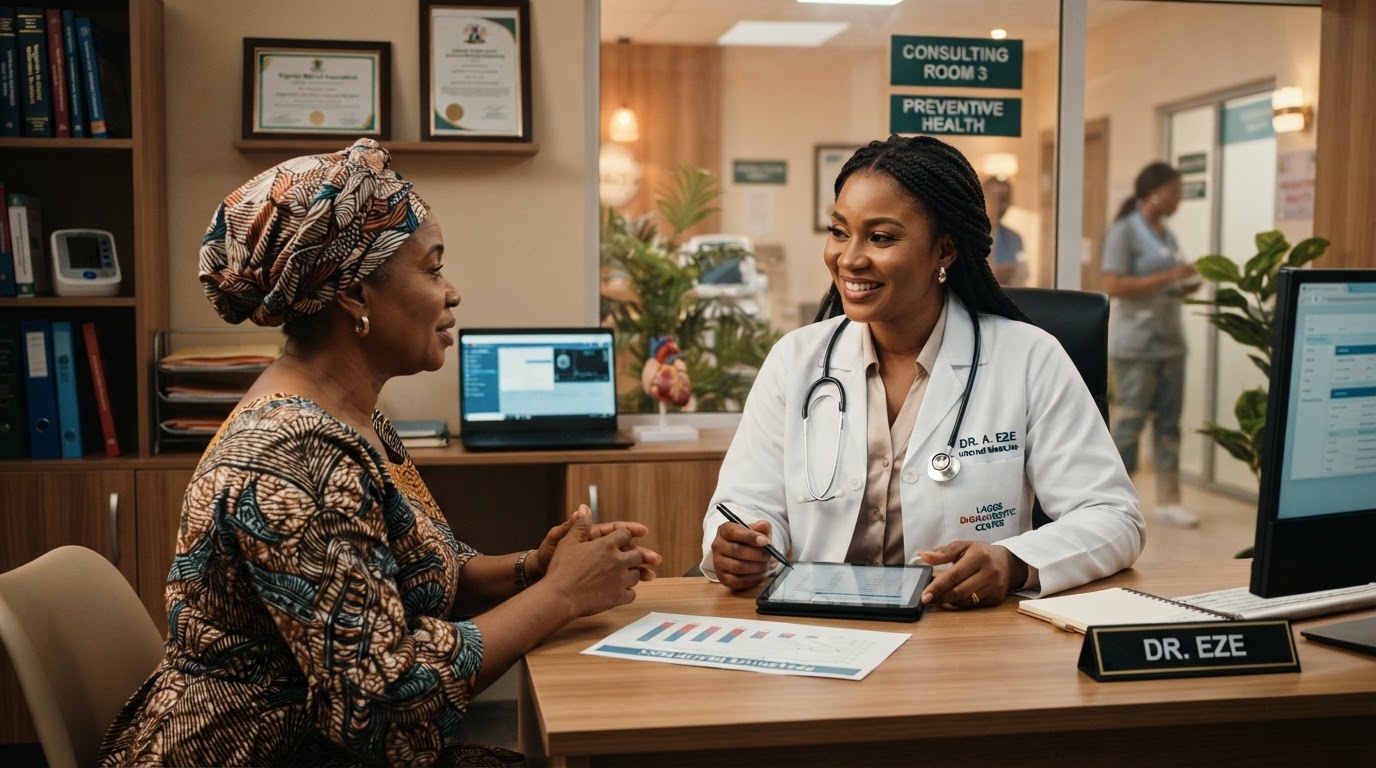
Preventive healthcare is fundamentally about taking control of your health narrative. It involves routine screenings, regular checkups, and lifestyle modifications designed to prevent illnesses before they start, or to detect them at their earliest, most manageable stages. This approach is not just a medical strategy; it is a profound investment in one's longevity and quality of life.
From an economic standpoint, preventive healthcare makes undeniable sense. The cost of a routine comprehensive health screening is a fraction of the financial burden associated with treating a chronic illness or managing a medical emergency. By catching a condition early, patients can often manage it with simple lifestyle changes or inexpensive medications, avoiding costly hospitalizations and surgeries.
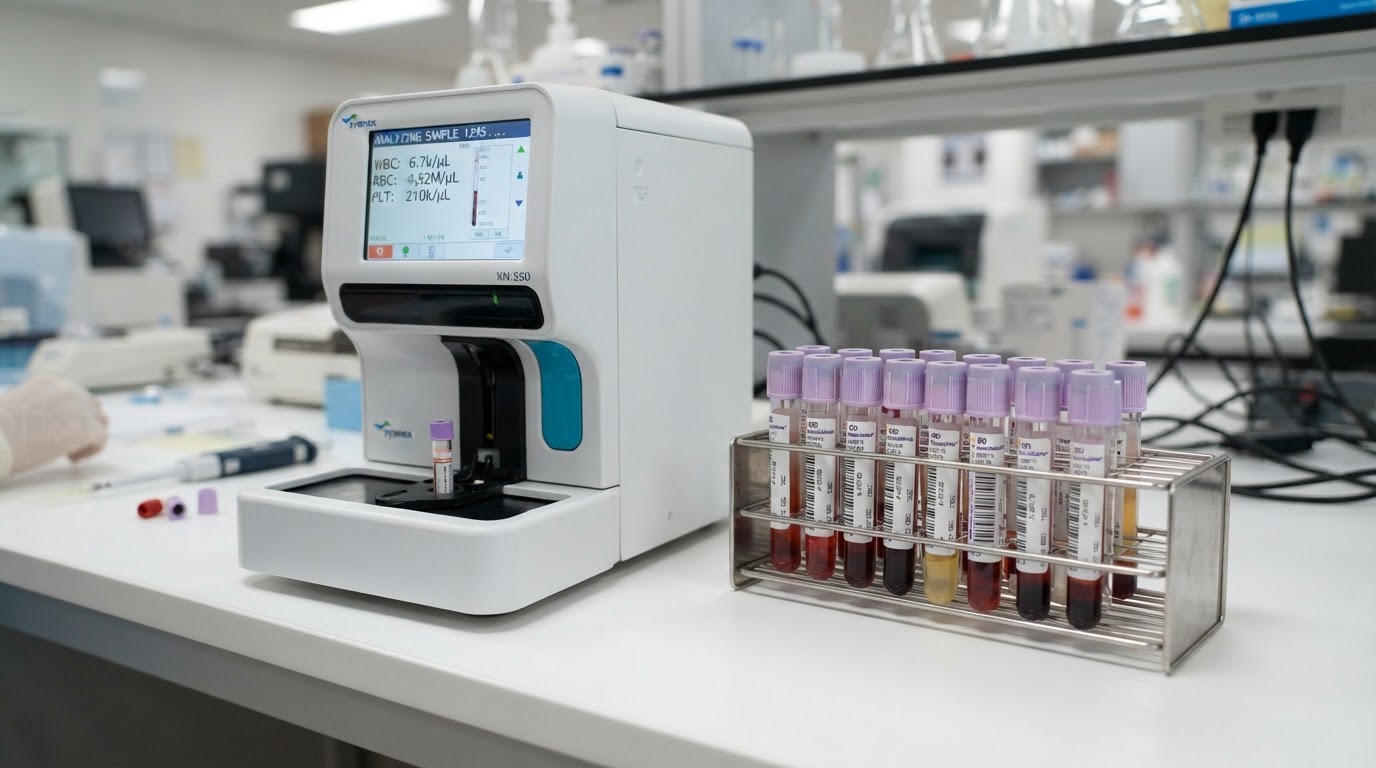
Diagnostic centers are the engine rooms of this preventive health movement. Facilities like Crescent Radiology provide the essential tools—advanced imaging and comprehensive laboratory testing—that make early detection possible. We are not just here to diagnose the sick; we are here to confirm the health of the well and provide peace of mind.
Corporate organizations are also recognizing the value of preventive health. By investing in annual corporate screening packages for their employees, forward-thinking companies are fostering a healthier, more productive workforce. This proactive approach reduces absenteeism, boosts morale, and demonstrates a tangible commitment to employee welfare.
Despite this positive trend, there is still work to be done. Fear and anxiety often prevent individuals from scheduling routine screenings. The fear of 'finding something wrong' is a powerful deterrent. However, as healthcare providers, we must continually emphasize that finding something early is exactly what saves lives. Knowledge is power, and early detection is the ultimate advantage.
We must also continue to destigmatize medical screenings and make them a normal, anticipated part of the annual calendar, much like servicing a car or renewing a license. When routine checkups become a cultural norm, we will see a dramatic reduction in the national disease burden and a significant improvement in overall life expectancy.
As we move forward, the continued promotion of routine medical checkups will be critical. I urge everyone reading this to embrace the proactive patient mindset. Do not wait for illness to dictate your actions. Schedule your health screening today, and take the first step toward a longer, healthier, and more vibrant life.
Related Articles

The Paradigm Shift: Moving from Reactive Medicine to Proactive Lifespan Extension
Read Article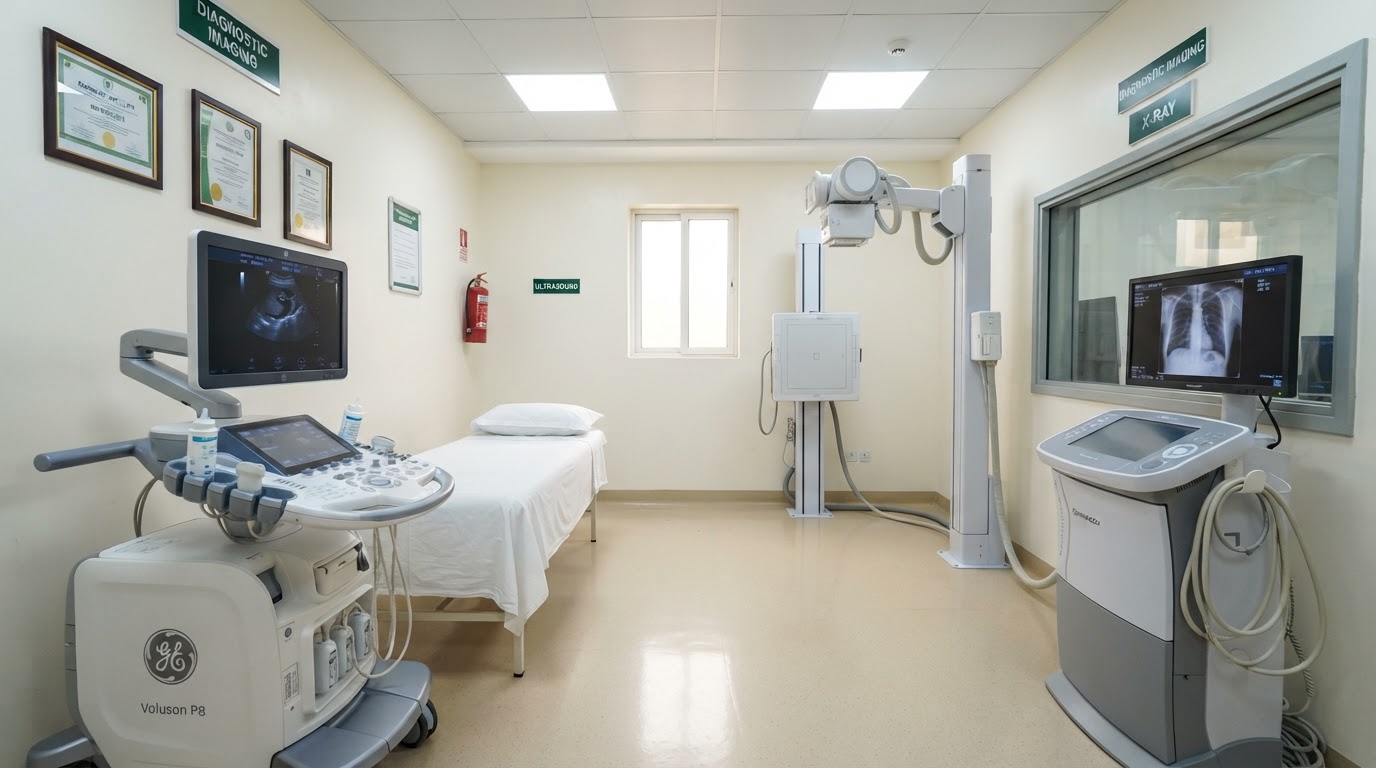
The Dawn of AI in Diagnostics: How Machine Learning is Revolutionizing Medical Imaging
Read Article