The Digital Radiography Revolution: Seeing Clearer, Faster, and Safer Than Ever Before
Understanding the technological leap from traditional film to digital radiography and its benefits for patients.
If you had an X-ray taken a decade or two ago, you likely remember the cumbersome process: holding a heavy cassette, waiting nervously while the technician disappeared into a darkroom, and finally examining a large, physical film held up against a glowing lightbox. Today, the field of radiography has undergone a digital revolution, bringing profound benefits to both patients and healthcare providers.
Digital radiography (DR) has largely replaced traditional film-based X-rays, representing a technological leap akin to moving from film cameras to high-resolution digital photography. This transition is not merely about convenience; it fundamentally improves the quality, safety, and speed of diagnostic imaging.
Perhaps the most significant and immediate advantage of digital X-rays is the dramatic reduction in radiation exposure. Digital sensors are far more sensitive to X-ray photons than traditional film. This means that a high-quality image can be produced using up to 80% less radiation. This makes the procedure vastly safer, particularly for pediatric patients and individuals who require frequent imaging for chronic conditions.
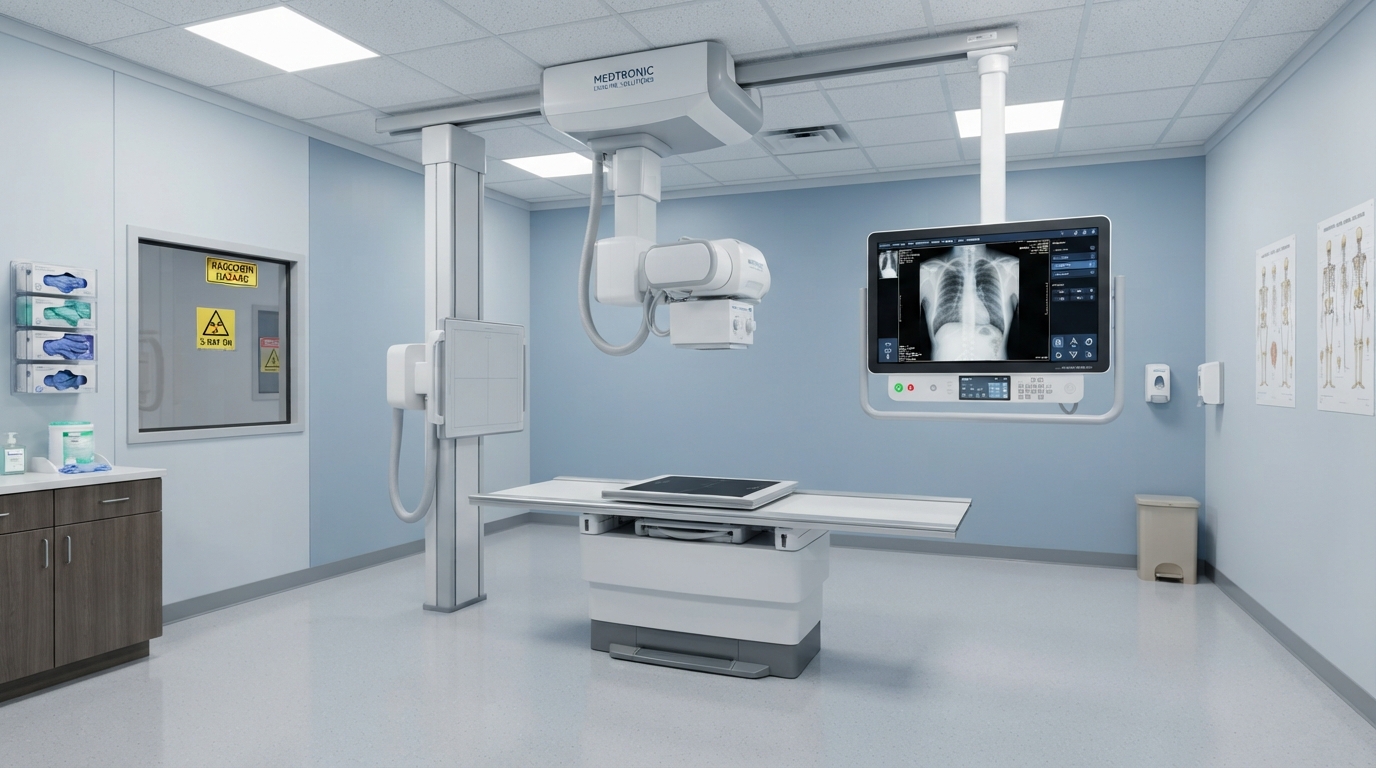
Speed is another critical factor. With digital radiography, there is no chemical processing required. The X-ray image appears almost instantly on a high-resolution computer monitor in the exam room. This immediate feedback allows the technician to ensure the image quality is perfect on the first try, reducing the need for retakes and minimizing the patient's time in the imaging suite.
The diagnostic capabilities of digital images are also vastly superior. Because the image is a digital file, radiologists can manipulate it in ways that were impossible with physical film. They can adjust the contrast, alter the brightness, and zoom in on specific, microscopic areas of interest. This enhanced visualization leads to far more accurate and confident diagnoses.
Furthermore, digital radiography revolutionizes how medical information is shared and stored. Digital X-rays are seamlessly integrated into a patient's Electronic Health Record (EHR) and a Picture Archiving and Communication System (PACS). This means the images can be instantly and securely transmitted to referring physicians, specialists, or surgeons, regardless of their location.
This rapid sharing of information is crucial in emergency situations where time is of the essence, and it facilitates collaborative, multidisciplinary care for complex cases. It also eliminates the risk of lost or damaged physical films, ensuring that a patient's complete imaging history is always accessible.
From an environmental perspective, digital radiography is also a massive step forward. It completely eliminates the need for toxic developing chemicals, silver-based films, and the massive physical storage spaces previously required to house archives of patient X-rays.
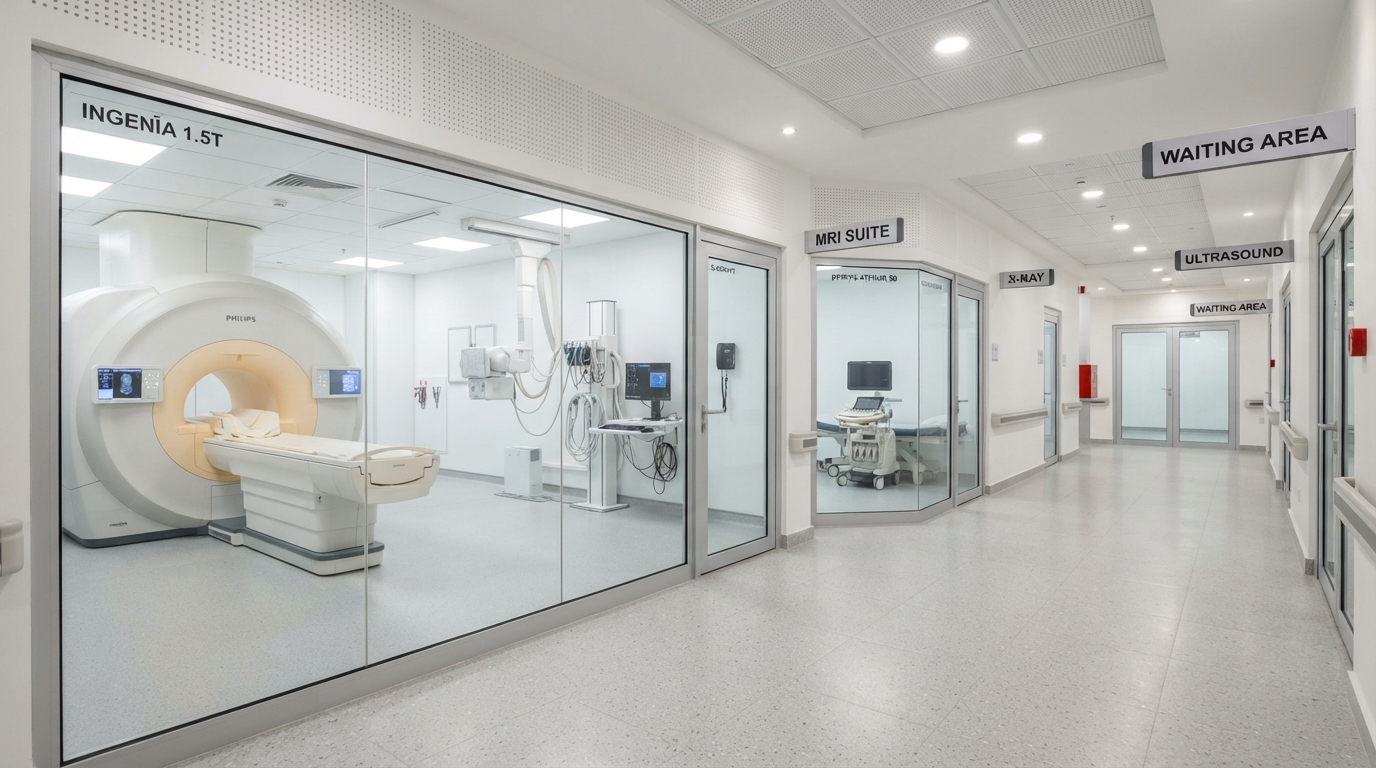
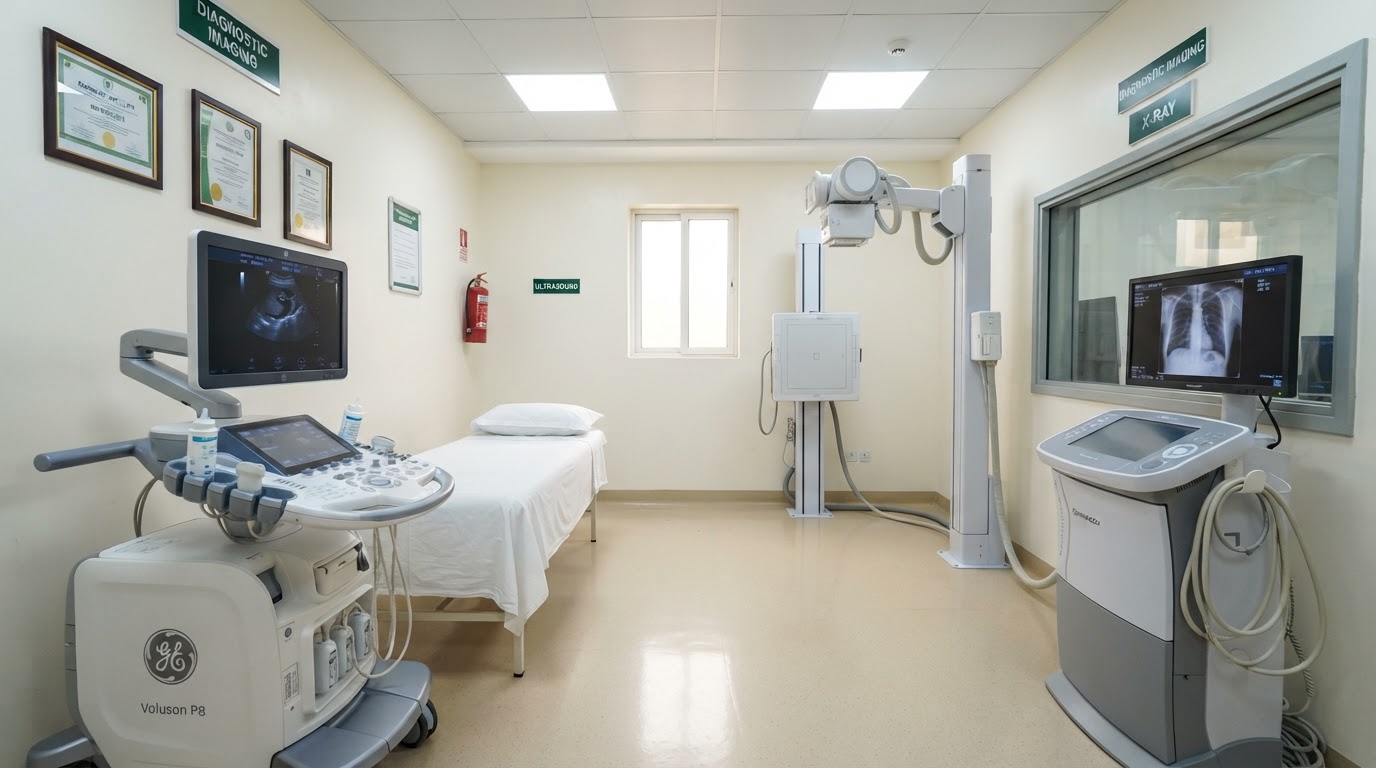
At Crescent Radiology in Wuse, we are committed to providing the highest standard of care, which is why our facility is equipped entirely with state-of-the-art digital radiography systems. When you choose our center, you are guaranteed imaging that is clearer, faster, and above all, safer than ever before.
Related Articles
The Dawn of AI in Diagnostics: How Machine Learning is Revolutionizing Medical Imaging
Read Article
From Weekend Warriors to Pro Athletes: How Advanced Imaging Accelerates Sports Injury Recovery
Read Article